 Album EQ
Sony
Modern hybrid productions demand tools that can move seamlessly between shooting video and photo, and few systems deliver that better than Sony’s Alpha and Cinema Line products.
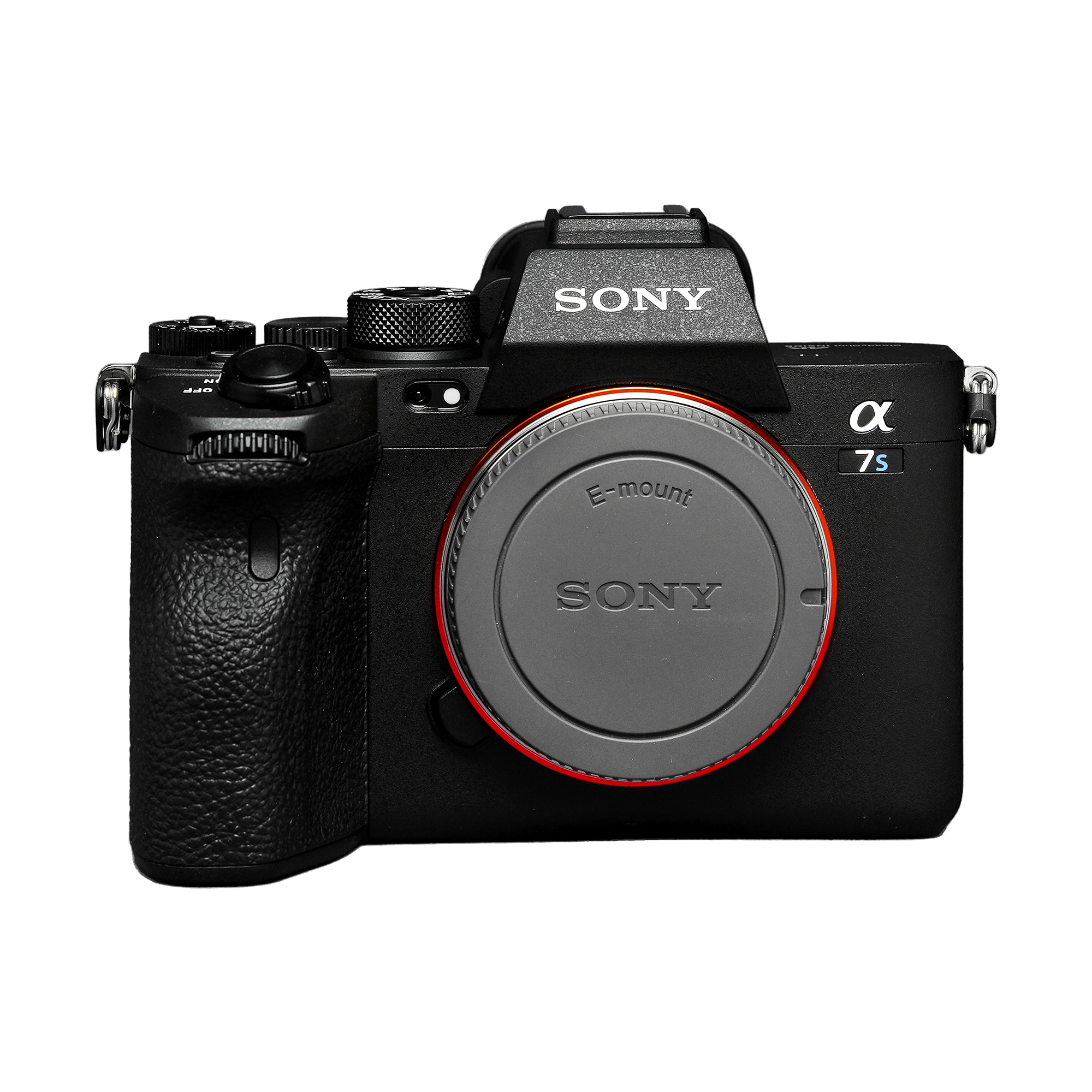
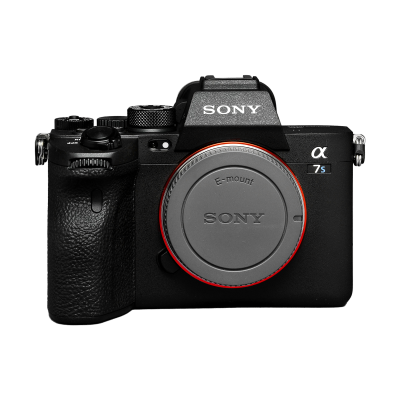
The Sony a7S III has become a staple for filmmakers and content creators thanks to its exceptional low-light performance, impressive video features, and reliable autofocus. Built around a 12.1 megapixel full-frame sensor, it excels in high ISO environments while delivering clean, detailed 4K up to 120fps.
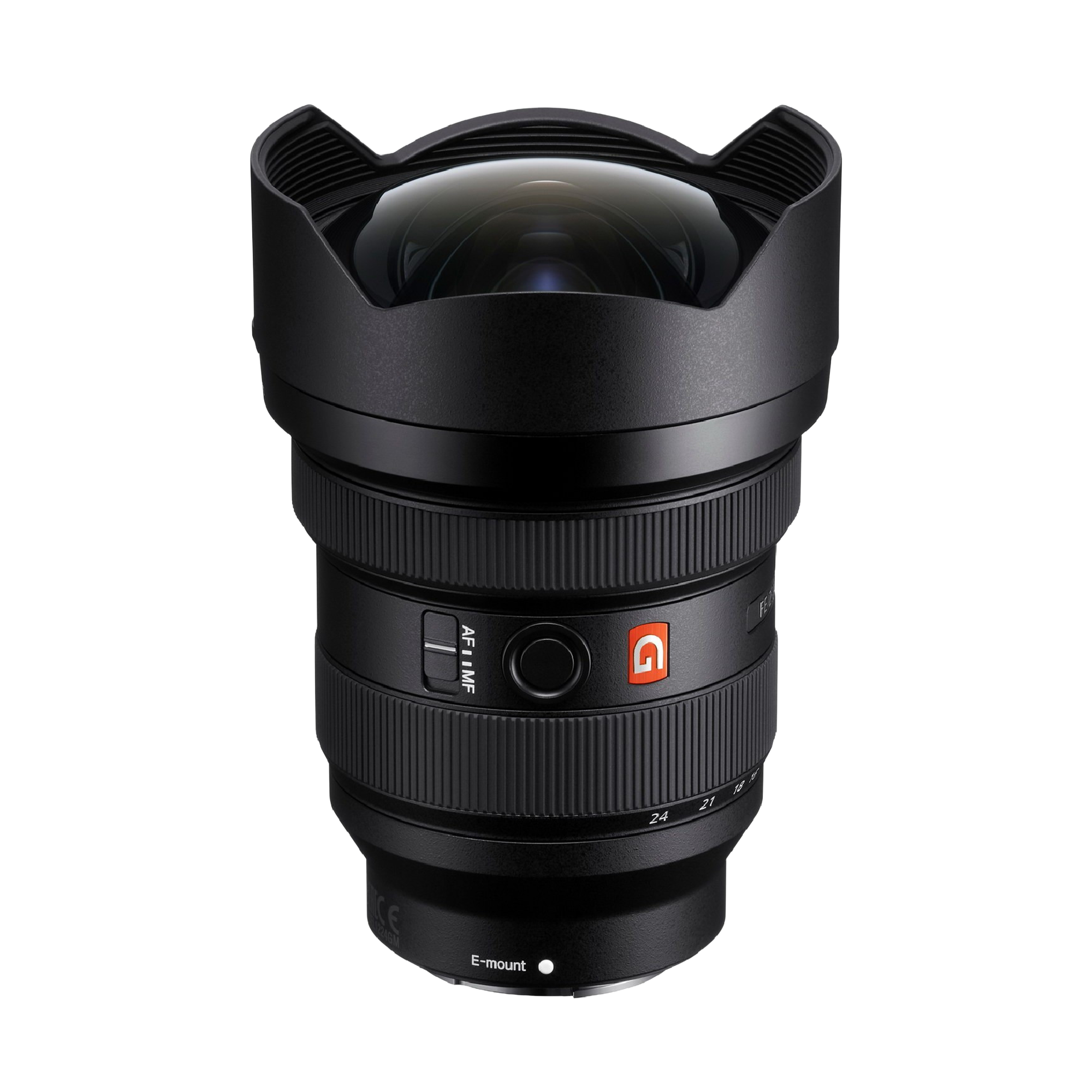
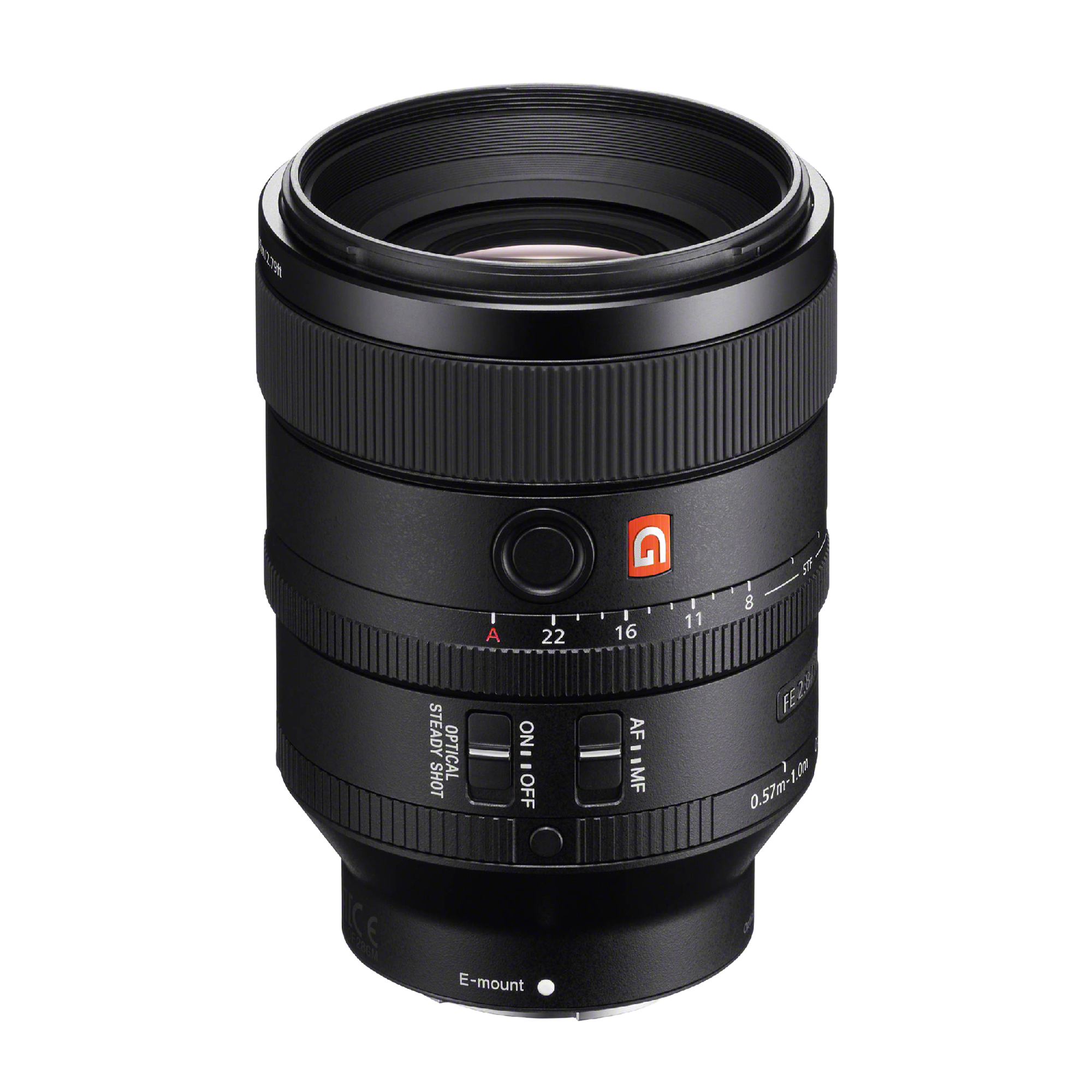
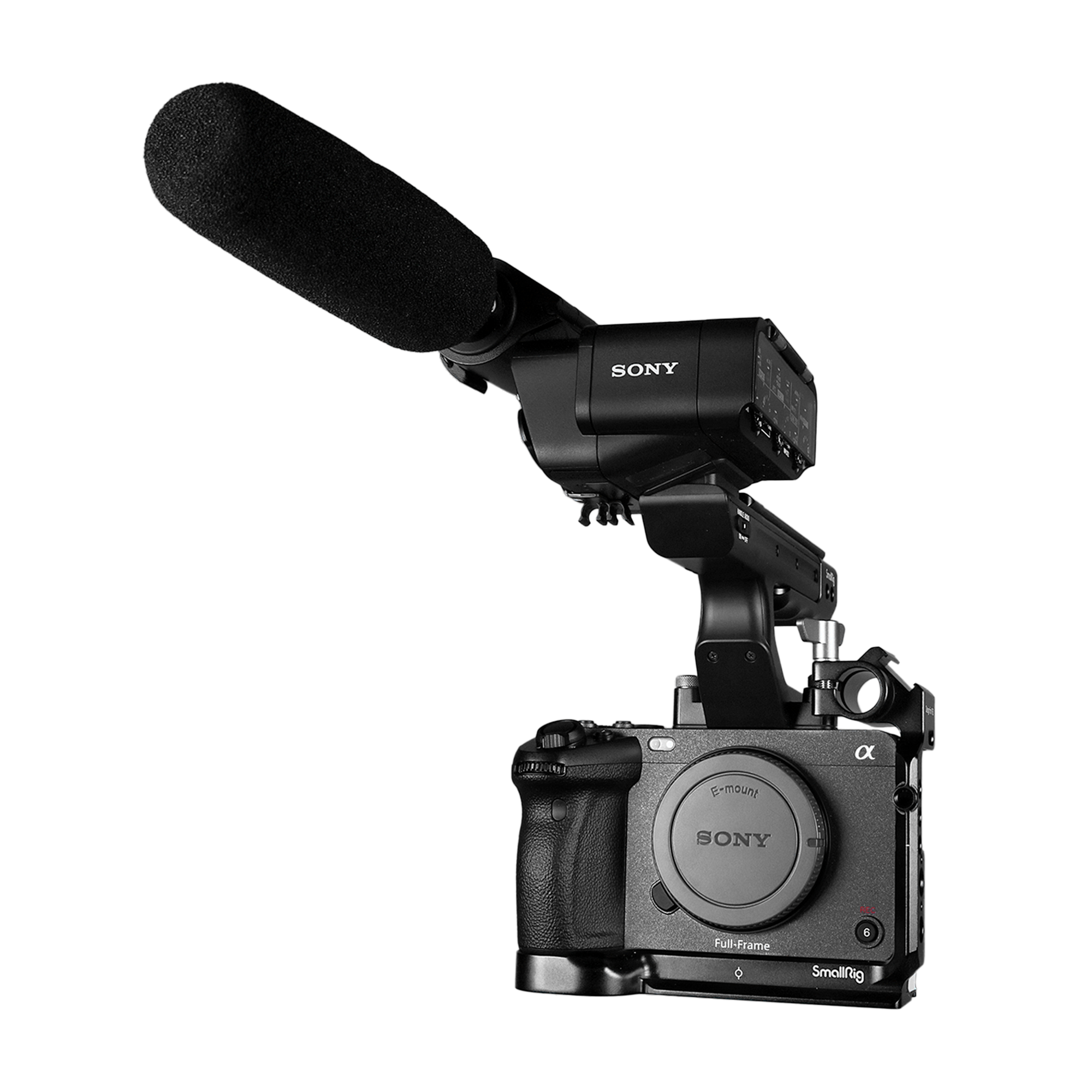
The FX3 takes that same sensor and pushes it into a cinema-first design. With built-in cooling, multiple mounting points, and a detachable XLR handle, it’s built for professional production environments. The FX3 bridges the gap between mirrorless and cinema cameras, offering the colour science and workflow of Sony’s VENICE line in a compact, highly portable form.
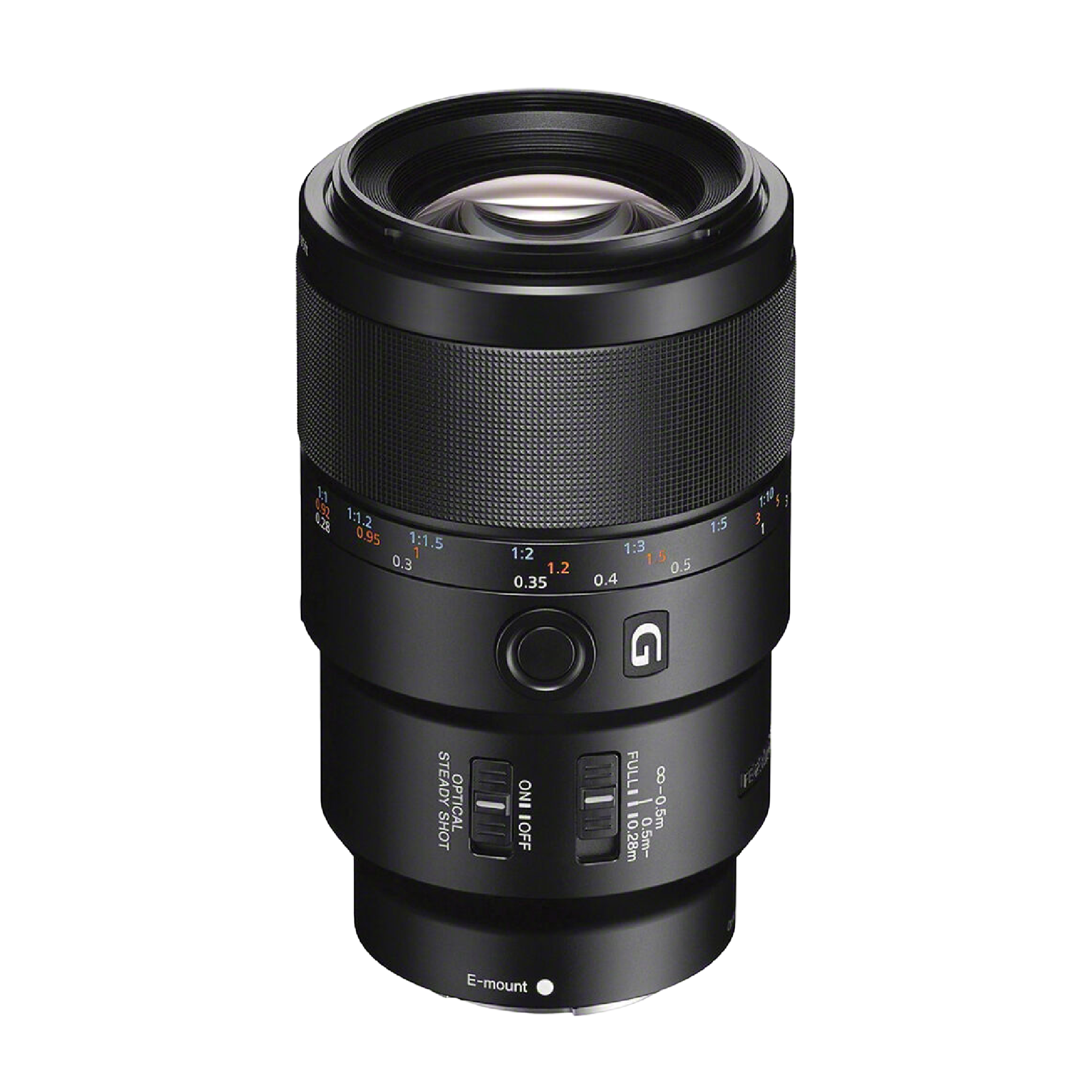
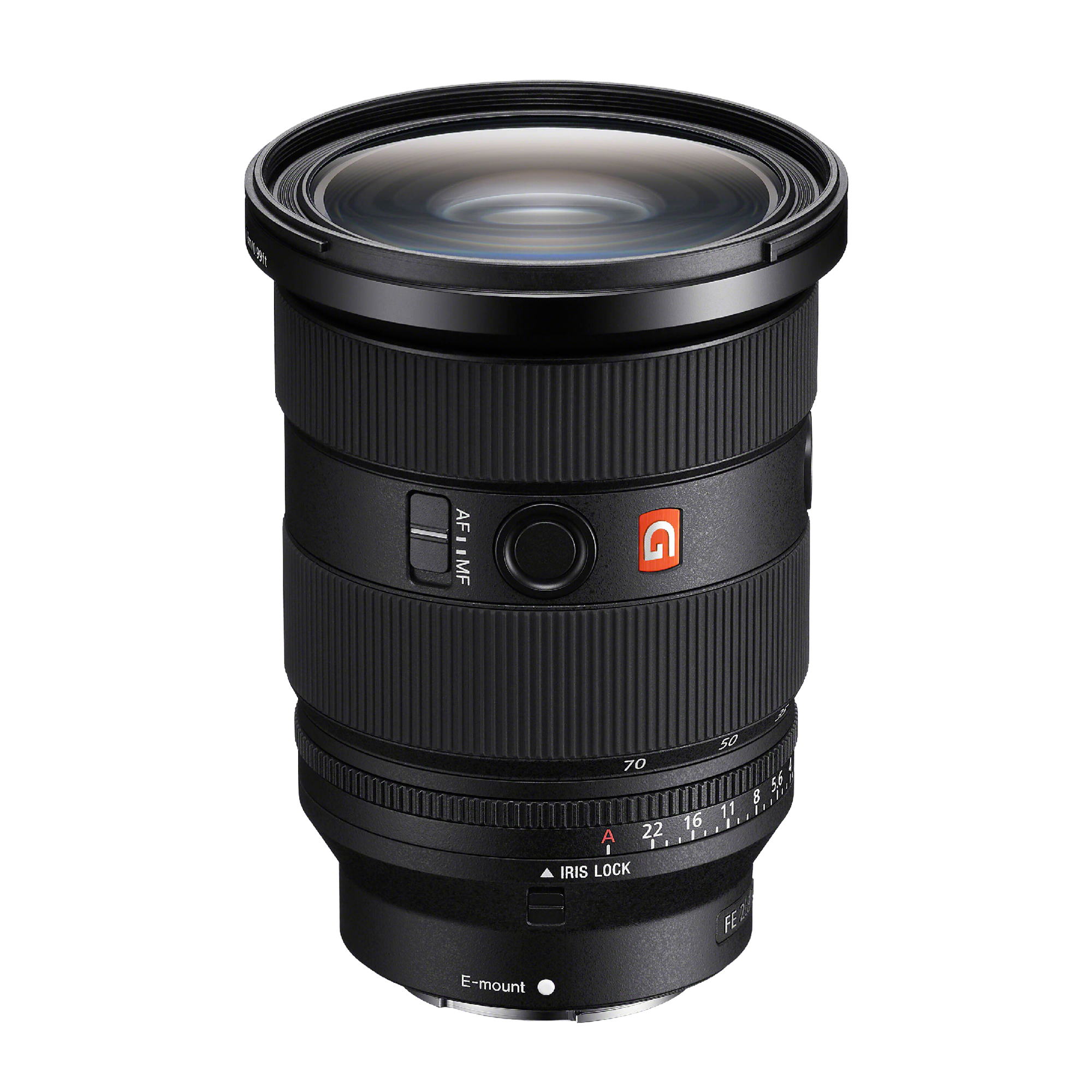
Sony’s full-frame E-mount lenses truly unlock the power of these cameras. From fast primes to versatile zooms, FE lenses deliver the optical quality needed for modern productions.
Explore more Sony →
Frequently Asked Questions
Sony’s low-light performance stands out mainly because of its large full-frame sensors with excellent signal-to-noise control, especially in cameras like the Sony a7S III and FX3. The 12MP sensor uses large pixels that gather more light, reducing noise at high ISO. Combined with dual base ISO, advanced noise reduction from the BIONZ XR processor, and strong colour science, images stay clean and detailed even in very dark environments. This allows shooters to capture usable footage in situations where other cameras would produce heavy grain or lose shadow detail.
Some Sony cameras have lower megapixels to improve low-light performance, dynamic range, and noise control. Larger pixels capture more light, which benefits video-focused models like the a7S III and FX3. Lower resolution also reduces processing load, enabling faster readout and better high-frame-rate recording.